August marks National Wellness Month, a time dedicated to focusing on self-care, creating healthy routines, and managing stress. While “wellness” often brings to mind gym memberships or spa days, true wellness encompasses much more—especially for individuals navigating mental health challenges or substance use recovery.
At New Roads Treatment Center, we view wellness as an active, daily practice of balancing physical health, emotional well-being, and community support. Whether you are in recovery or simply looking to build healthier habits as summer comes to a close, National Wellness Month is the perfect opportunity to check in with yourself.
What Does True Wellness Mean in Recovery?
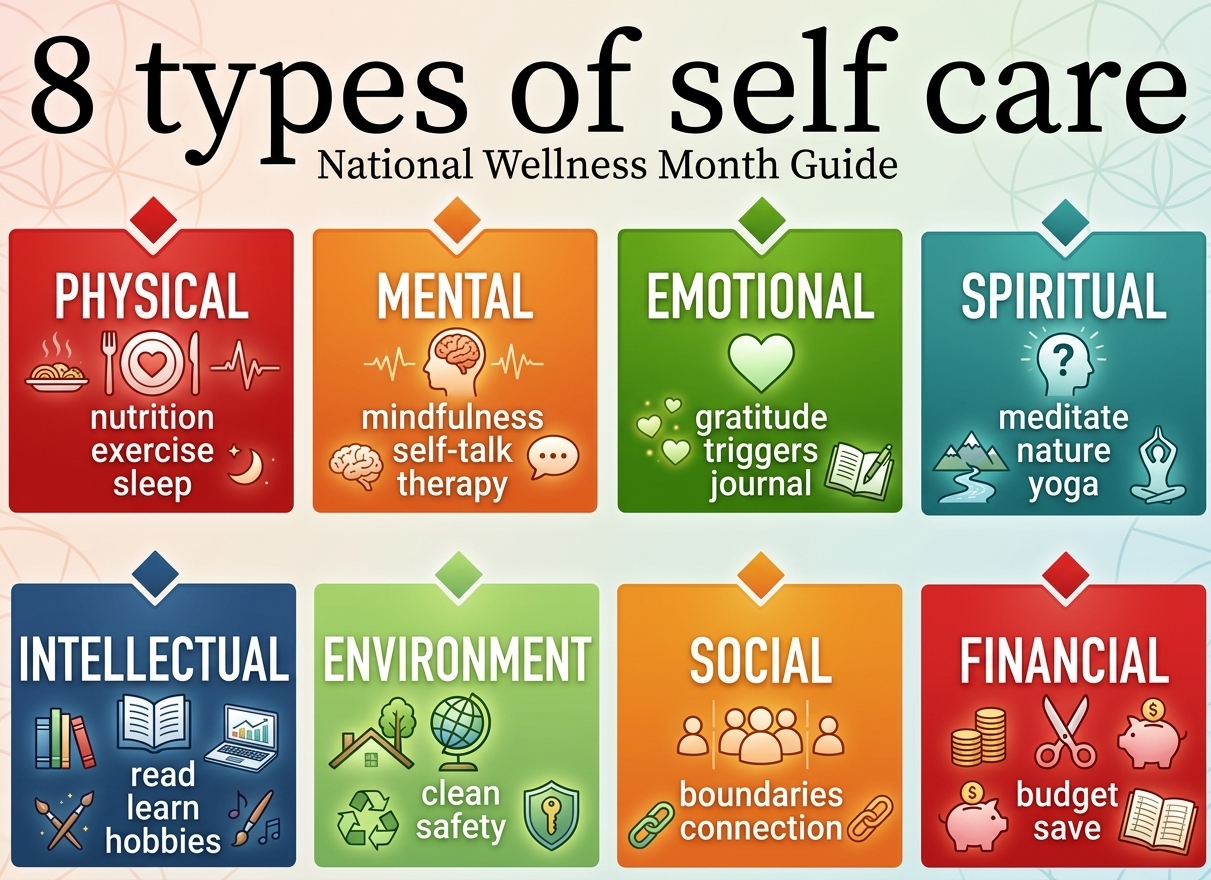
Wellness isn’t about perfection; it’s about intentional choices that move you toward a healthier, more fulfilling life. The Substance Abuse and Mental Health Services Administration (SAMHSA) highlights eight key dimensions of wellness: Emotional, Physical, Social, Occupational, Intellectual, Environmental, Financial, and Spiritual.
When in recovery or working through mental health treatments like dual-diagnosis care, balancing these dimensions creates a stable foundation that prevents burnout and reduces relapse triggers.
4 Practical Ways to Celebrate National Wellness Month
You don’t need a complete lifestyle overhaul to celebrate National Wellness Month. Small, consistent shifts yield long-term results.
1. Re-evaluate Your Physical Self-Care
Physical health directly impacts emotional resilience. Simple adjustments can stabilize mood and energy levels throughout the day:
- Hydration: Aim for at least 8 glasses of water daily to support brain function and fatigue reduction.
- Consistent Sleep: Keep a consistent sleep and wake schedule to restore natural circadian rhythms.
- Nourishing Foods: Focus on nutrient-dense meals that stabilize blood sugar and prevent mood swings.
2. Protect Your Emotional Space
Self-care often means establishing clear boundaries.
- Practice Saying No: Protect your energy from commitments that cause unnecessary stress.
- Unplug from Screens: Take a daily break from social media to decrease anxiety and present-moment distraction.
- Express Feelings Constructively: Utilize journaling, art, or talking with a trusted friend or therapist to process emotions.
3. Incorporate Mindfulness Daily
Mindfulness helps ground you in the present moment rather than worrying about the future or dwelling on the past.
- Spend 5 minutes each morning practicing deep breathing or quiet meditation.
- Step outside for a short walk and focus entirely on your senses—the sound of the breeze, the feeling of the sun, or the greenery around you.
4. Lean into Community and Support
Isolation is one of the biggest obstacles to mental health and recovery. Connect with people who uplift, support, and understand your journey:
- Attend a local support group or recovery meeting.
- Plan a sober activity with friends or family.
- Reach out to a mentor, sponsor, or therapist when feeling overwhelmed.
When Self-Care Isn’t Enough: Seeking Professional Help
While self-care habits are essential tools, they are not a substitute for professional mental health or addiction treatment. If stress, anxiety, depression, or substance use feels overwhelming, reaching out for clinical support is one of the highest forms of self-care you can practice.
At New Roads Treatment Center, we offer evidence-based residential and outpatient programs tailored to treat substance use disorders, mental health conditions, and co-occurring disorders. We walk alongside you to build personalized wellness strategies that last far beyond the month of August.
Take the First Step Today
National Wellness Month is a reminder that your health and healing matter. If you or a loved one are ready to start a journey toward lasting wellness and recovery, reach out to our compassionate admissions team at New Roads Treatment Center today.