
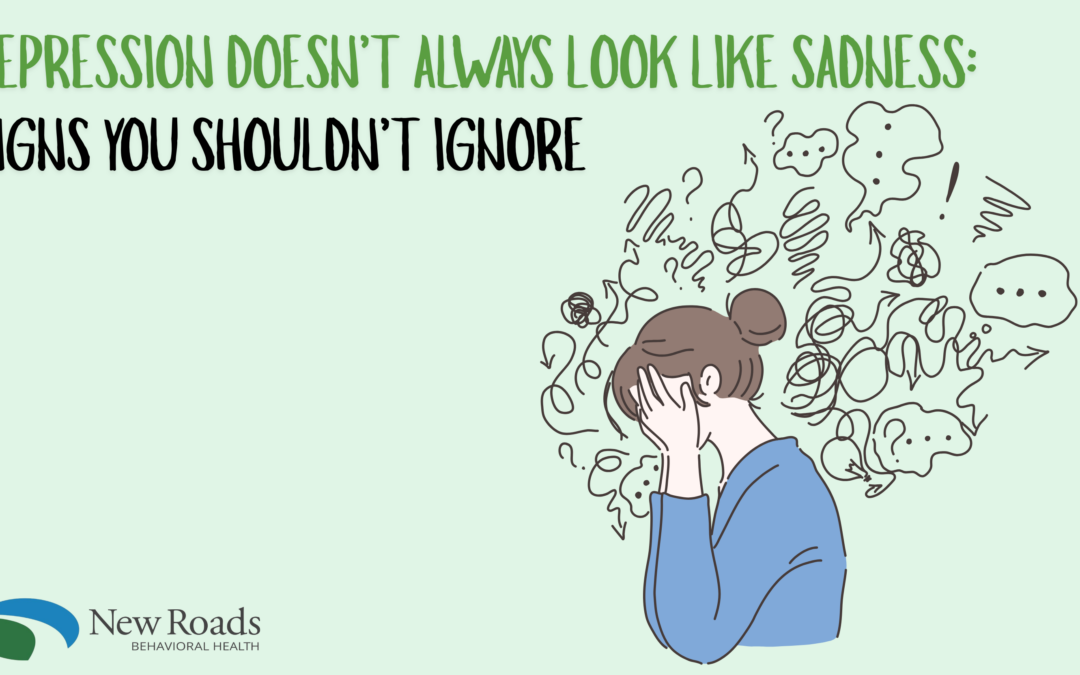
When we picture depression, a familiar image often comes to mind: someone crying, staying in bed, or feeling visibly overwhelmed. While sadness can be part of depression, it is not the only way the condition shows up.
For some adults, depression looks like snapping at a loved one, losing interest in favorite activities, or going through daily routines while feeling emotionally disconnected. Someone may continue working and caring for others even as their mental health becomes increasingly difficult to manage.
Recognizing these less obvious signs can help people seek support sooner. Depression is treatable, and you do not have to wait until daily life feels unmanageable to ask for help.
Beyond Sadness: Signs of Depression You Might Miss
Depression can affect mood, energy, sleep, thinking, and behavior. Some symptoms overlap with stress, grief, burnout, or physical health conditions, which can make them difficult to recognize.
The following changes may be signs of depression, especially when they persist, occur together, or interfere with everyday life.
1. Irritability and Anger
Depression can show up as increased frustration, impatience, or a shorter temper. Minor inconveniences may feel overwhelming, and you might find yourself snapping at people you care about.
Irritability alone does not mean someone has depression. However, a noticeable change in your patience or emotional responses deserves attention, particularly when it comes with exhaustion, withdrawal, or loss of interest.
2. Emotional Numbness
Some people describe depression as feeling empty rather than sad. You may feel disconnected from your emotions or find that experiences that once mattered now seem distant.
A celebration might bring little excitement. Time with loved ones may feel strangely flat. You might be physically present while struggling to feel engaged.
Persistent emotional numbness can have several causes. A mental health professional can help you understand what you are experiencing.
3. Withdrawing from Others
Social withdrawal can begin gradually. You may stop answering messages, decline invitations, or avoid family gatherings because connecting feels exhausting.
Time alone can be healthy and restorative. The concern is a sustained change in your usual behavior, especially when isolation leaves you feeling more disconnected or makes it harder to access support.
Withdrawal may be a sign of depression when it occurs alongside other changes in mood, motivation, or daily functioning.
4. Losing Interest in Activities
A reduced ability to experience interest or pleasure is known as anhedonia.
Hobbies, exercise, cooking, music, or time with friends may no longer feel rewarding. You might stop looking forward to things you usually enjoy or participate only because you feel obligated.
This change can be confusing, especially when there is no obvious reason for it. A persistent loss of interest is worth discussing with a healthcare professional.
5. Changes in Sleep and Appetite
Depression can disrupt familiar sleep and eating patterns. You may notice:
- Difficulty sleeping: Trouble falling asleep, waking frequently, or waking earlier than intended.
- Sleeping more than usual: Spending longer in bed while still feeling tired.
- Appetite changes: Eating significantly less or more than usual, sometimes with unintentional weight changes.
Sleep and appetite changes can also reflect physical health conditions, medications, or other concerns. An evaluation can help identify possible causes.
6. Poor Concentration and Brain Fog
Depression can make it harder to focus, remember details, or make decisions.
You might reread an email several times, lose track of a conversation, or feel overwhelmed by choices that once seemed simple. Tasks at work or school may take longer, adding to frustration and self-criticism.
These difficulties are worth taking seriously. They do not mean someone is lazy or incapable.
7. Increased Alcohol or Substance Use
Some people use alcohol or other substances to cope with emotional distress, numbness, or difficulty sleeping.
A change in how often you use substances—or feeling increasingly dependent on them to get through the day—may signal a need for support. Substance use can also complicate depression and make treatment needs more complex.
When depression and substance use occur together, care should address both concerns.
8. Hopelessness or Feeling Like a Burden
Depression can affect how you view yourself and your future. You may feel worthless, believe things will never improve, or worry that others would be better off without you.
These thoughts deserve prompt attention. You do not need to handle them alone.
If you are having thoughts of suicide or urges to harm yourself, seek immediate support. In the United States, call 988 or text 988 to reach the Suicide & Crisis Lifeline. If you or someone else is in immediate danger, call 911 or go to the nearest emergency department.
When Should You Seek Help for Depression?
Consider speaking with a healthcare professional when changes in mood, interest, sleep, energy, or concentration persist or begin affecting daily life.
A major depressive episode generally involves a pattern of symptoms lasting at least two weeks, including depressed mood or loss of interest or pleasure. However, you do not have to wait two weeks to ask for help, especially if symptoms are severe, worsening, or affecting your safety.
A primary care provider or mental health professional can review your symptoms, health history, medications, and other possible contributing factors. Medical conditions can sometimes cause symptoms that resemble depression.
The National Institute of Mental Health’s depression overview provides additional information about symptoms, diagnosis, and treatment.
When Might You Need a Higher Level of Care?
Outpatient therapy and medication management help many people with depression. Others need more frequent treatment or a more structured setting.
It may be time to discuss a higher level of care with a qualified professional when:
- Daily responsibilities are becoming difficult: Symptoms interfere with hygiene, meals, work, school, or caring for yourself.
- Current treatment is not providing enough improvement: Symptoms persist or worsen despite ongoing care.
- Additional structure is needed: More frequent therapeutic support may help you participate consistently in treatment.
- Co-occurring concerns complicate recovery: Anxiety, trauma-related symptoms, or substance use require coordinated attention.
The appropriate setting depends on an individual assessment of symptoms, safety, treatment history, and support needs.
Immediate safety concerns require urgent evaluation. A routine admissions inquiry or an outpatient program is not a substitute for emergency care.
Depression Treatment Options at New Roads Behavioral Health
New Roads Behavioral Health provides a continuum of care for people with complex mental health needs. Treatment planning considers the whole person, including depression and any co-occurring conditions.
Depending on assessed needs, options may include:
- Residential treatment: A structured, live-in setting with around-the-clock support, therapy, and psychiatric care for adults who need more support than outpatient services can provide. Explore New Roads’ WRTH residential program and NRTH residential program for details about each program and eligibility.
- Transitional Living Program: Supported living that helps clients practice daily routines and build greater independence as they progress in care.
- Partial Hospitalization Program (PHP): Intensive day treatment for people who need substantial clinical support without overnight residential care.
- Intensive Outpatient Program (IOP): Structured treatment with more flexibility to maintain responsibilities outside the program.
- General outpatient and psychiatric services: Ongoing support based on individual clinical needs.
Treatment may include individual and group therapy, psychiatric care, and approaches such as cognitive behavioral therapy (CBT) and dialectical behavior therapy (DBT). When substance use occurs alongside a mental health condition, care should address these concerns together.
The admissions team can explain program options and the assessment process.
Supporting Someone Who May Be Experiencing Depression
If you notice changes in someone you care about, start with a calm, specific observation rather than a diagnosis.
You might say, “I’ve noticed you seem exhausted and haven’t wanted to do the things you usually enjoy. How have you been feeling?”
Listen without rushing to fix the situation. Offer practical help, such as finding a provider, making an appointment together, or accompanying them to a visit if they would like support.
If they mention suicide or feeling that others would be better off without them, take those statements seriously and help them access immediate professional support.
Take the Next Step Toward Support
Depression does not look the same for everyone. Whether it shows up as irritability, emotional numbness, exhaustion, or disconnection, changes in how you feel and function deserve attention.
If you recognize these signs in yourself or someone you love, New Roads Behavioral Health’s admissions team can help you explore treatment options in Utah, answer questions about our programs, and discuss the assessment process.
Call 888-358-8998 or contact New Roads Behavioral Health to start the conversation.
You do not need to have every answer before reaching out. Taking that first step can open the door to support, connection, and hope.d hope.