
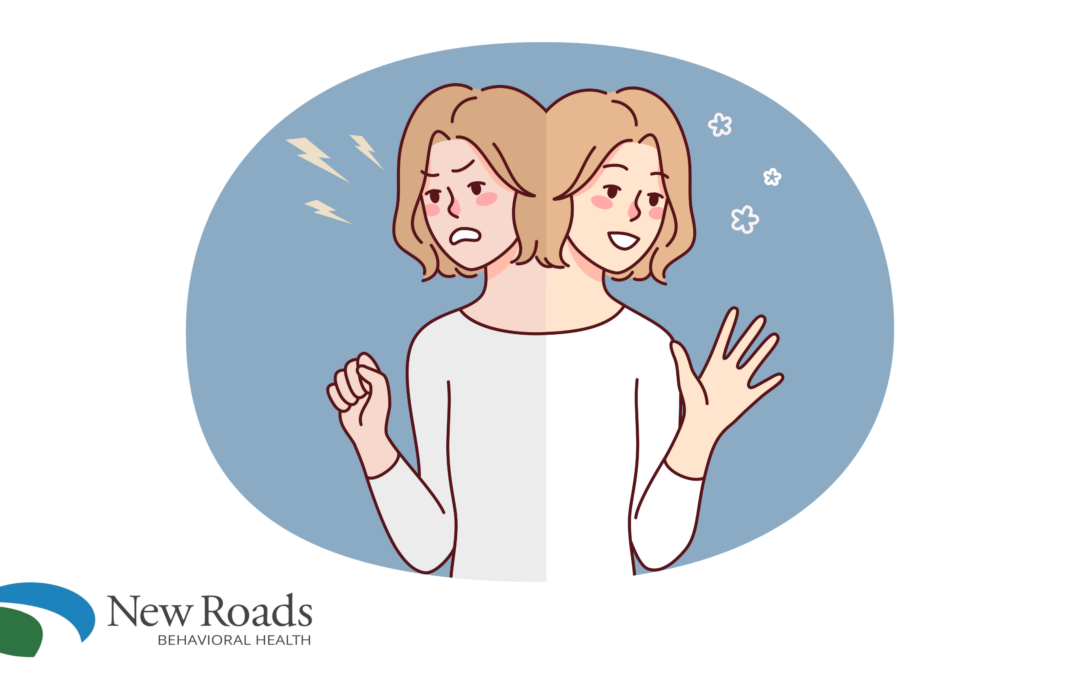
For many individuals living with Borderline Personality Disorder (BPD), life can feel like an endless series of emotional storms. Relationships often feel like tightropes, self-image shifts like sand, and the intensity of emotions can become so overwhelming that “normal” life feels out of reach.
If you or a loved one are struggling with BPD, you know that traditional weekly talk therapy sometimes isn’t enough to create lasting change. When symptoms become unmanageable—leading to frequent crises, self-harming behaviors, or a total inability to function at work or school—it may be time to consider Borderline Personality Disorder residential treatment.
In this guide, we will explore why residential care is often the “missing piece” in BPD recovery, how Dialectical Behavior Therapy (DBT) serves as the gold standard for healing, and what to look for in a high-quality treatment program.
Understanding Borderline Personality Disorder: Why It’s So Complex
Borderline Personality Disorder is a complex mental health condition characterized by significant emotional dysregulation. It affects approximately 1.6% of the U.S. population, though some experts believe the number is higher.
The core struggle of BPD is an “extraordinarily thin emotional skin.” While most people can recover from a minor setback in minutes, an individual with BPD may experience that same setback as a catastrophic emotional injury. This leads to the nine classic symptoms of BPD:
- Fear of Abandonment: An intense, sometimes irrational fear of being left alone.
- Unstable Relationships: A pattern of “idealizing” someone one moment and “devaluing” them the next.
- Unclear Self-Image: Not knowing who you are or what you value.
- Impulsive Behaviors: Risky driving, spending sprees, or substance use.
- Self-Harm and Suicidal Ideation: Using physical pain to manage emotional pain.
- Extreme Mood Swings: Intense shifts from happiness to irritability or anxiety.
- Chronic Feelings of Emptiness: Feeling like there is a “hole” inside that cannot be filled.
- Explosive Anger: Difficulty controlling a “short fuse.”
- Paranoia or Dissociation: Feeling “spaced out” or suspicious of others under stress.
Because these symptoms are so pervasive, they often require a comprehensive, immersive environment to treat effectively.
When Is Residential Treatment Necessary for BPD?
Many people manage BPD through outpatient programs, but there are specific “red flags” that indicate a residential level of care is needed:
- Safety Concerns: If self-harm or suicidal thoughts have become frequent or life-threatening.
- Failure to Progress: If you’ve been in weekly therapy for years but still find yourself in the same destructive cycles.
- Co-occurring Disorders (Dual Diagnosis): When BPD is complicated by substance abuse, eating disorders, or severe depression.
- The “Revolving Door” of Hospitals: If you find yourself in and out of acute psychiatric wards but never receive long-term stabilization.
- Loss of Functioning: If BPD has made it impossible to maintain a job, finish school, or stay in a stable living environment.
In a Borderline Personality Disorder residential treatment center, the goal isn’t just to keep you safe for a few days—it’s to teach you the skills necessary to build a “life worth living.”
The Gold Standard: Why DBT Is Essential in Residential Care
If you are researching BPD treatment, you will inevitably encounter the term Dialectical Behavior Therapy (DBT). Developed by Dr. Marsha Linehan, DBT was specifically designed to treat chronically suicidal individuals with BPD.
In a residential setting, DBT is more than just a therapy session—it is a lifestyle. A high-quality BPD program integrates the four modules of DBT into every hour of the day:
1. Mindfulness
Mindfulness is the foundation of BPD recovery. It teaches individuals how to be present in the moment without judgment. In residential care, mindfulness is practiced daily, helping clients observe their emotions without immediately reacting to them.
2. Distress Tolerance
When an emotional storm hits, most people with BPD reach for “maladaptive” coping mechanisms (substances, self-harm, or lashing out). Distress tolerance skills provide a “toolbox” of healthy ways to survive a crisis without making the situation worse.
3. Emotion Regulation
BPD is essentially an “emotion regulation disorder.” Through this module, clients learn to identify what they are feeling, understand the function of that emotion, and use techniques to lower the intensity of the “emotional fire.”
4. Interpersonal Effectiveness
BPD often wreaks havoc on relationships. This module teaches clients how to ask for what they need, say “no” effectively, and maintain self-respect in interactions with others.
The Benefits of a Residential Environment
Why choose a residential center over a standard therapist? The answer lies in the milieu—the therapeutic community.
24/7 Support and Skills Coaching
In the “real world,” a crisis rarely happens during your Tuesday at 4:00 PM therapy hour. In residential treatment, clinicians and staff are available 24/7. If you have an urge to self-harm at 2:00 AM, you can practice “skills coaching” in real-time with a trained professional.
Removal from Triggers
Sometimes, the home environment is filled with triggers—toxic relationships, access to substances, or high-stress expectations. Residential care provides a “reset button,” allowing the brain to stabilize in a safe, controlled environment.
Peer Support and Community
BPD can be incredibly isolating. In a residential program, you are surrounded by peers who truly understand what you are going through. This reduces shame and provides a sense of belonging that is vital for recovery.
Dual Diagnosis Integration
It is rare for BPD to exist in a vacuum. Most individuals also struggle with addiction or other mental health issues. Borderline Personality Disorder residential treatment centers that offer dual diagnosis care can treat the addiction and the personality disorder simultaneously, ensuring that one doesn’t trigger a relapse in the other.
What to Look for in a BPD Residential Treatment Center
Not all treatment centers are created equal. When searching for the best program, look for these specific criteria:
- DBT-Adherent Programming: Ensure the staff is actually trained in DBT and that the program includes individual therapy, skills groups, and phone coaching.
- Non-Profit Status: Centers like New Roads Behavioral Health are often non-profits, meaning they focus on clinical outcomes and patient care rather than shareholder profits.
- Length of Stay: BPD is not “fixed” in 30 days. Look for programs that offer 60-to-90-day stays, or even longer transitional living options.
- Family Involvement: BPD is often a “family disorder.” The best programs include family therapy to help loved ones understand how to support recovery without enabling destructive behaviors.
- Accreditation: Look for The Joint Commission or CARF accreditation, which signals high clinical standards.
Life After Residential: The Importance of Transitional Living
One of the biggest mistakes families make is assuming that once residential treatment is over, the person is “cured.” BPD recovery is a marathon, not a sprint.
The transition from a highly structured residential environment back to the “real world” can be jarring. This is why Transitional Living or Partial Hospitalization Programs (PHP) are so important. These levels of care allow clients to practice their new DBT skills while slowly gaining more independence.
At New Roads Behavioral Health, the focus is on a “continuum of care.” Clients may move from a high-intensity residential house to a transitional apartment where they learn life skills like budgeting and job hunting, all while remaining under the supervision of their clinical team.
A Message of Hope: Healing is Possible
For a long time, the medical community viewed BPD as “untreatable.” We now know that this couldn’t be further from the truth. With the right Borderline Personality Disorder residential treatment, people with BPD don’t just “get better”—they go on to live incredibly rich, successful, and stable lives.
The “dialectical” in DBT refers to the balance of acceptance and change. It is about accepting that you are doing the best you can right now, AND realizing that you need to do better and change to build a life worth living.
If you are tired of the “revolving door” of hospitals and the constant cycle of emotional pain, reach out for help. Residential treatment is a significant commitment, but for many, it is the first step toward a future that is no longer defined by their diagnosis.
Why New Roads Behavioral Health?
At New Roads Behavioral Health, we specialize in the treatment of complex mental health conditions, with a specific expertise in Borderline Personality Disorder.
As a therapist-led non-profit, we offer:
- Adherent DBT Programs: Every therapist is trained to the highest standards.
- Dual Diagnosis Care: We treat the addiction and the trauma underneath.
- A Supportive Community: Our NRTH and WRTH programs provide a safe, gender-specific environment for healing.
- Long-Term Success: We focus on teaching the life skills necessary for independent living.
Don’t let BPD control your story any longer. Contact New Roads Behavioral Health today at 1-866-821-5034 to learn more about our Borderline Personality Disorder residential treatment options.